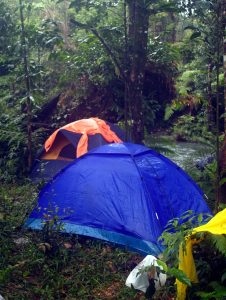
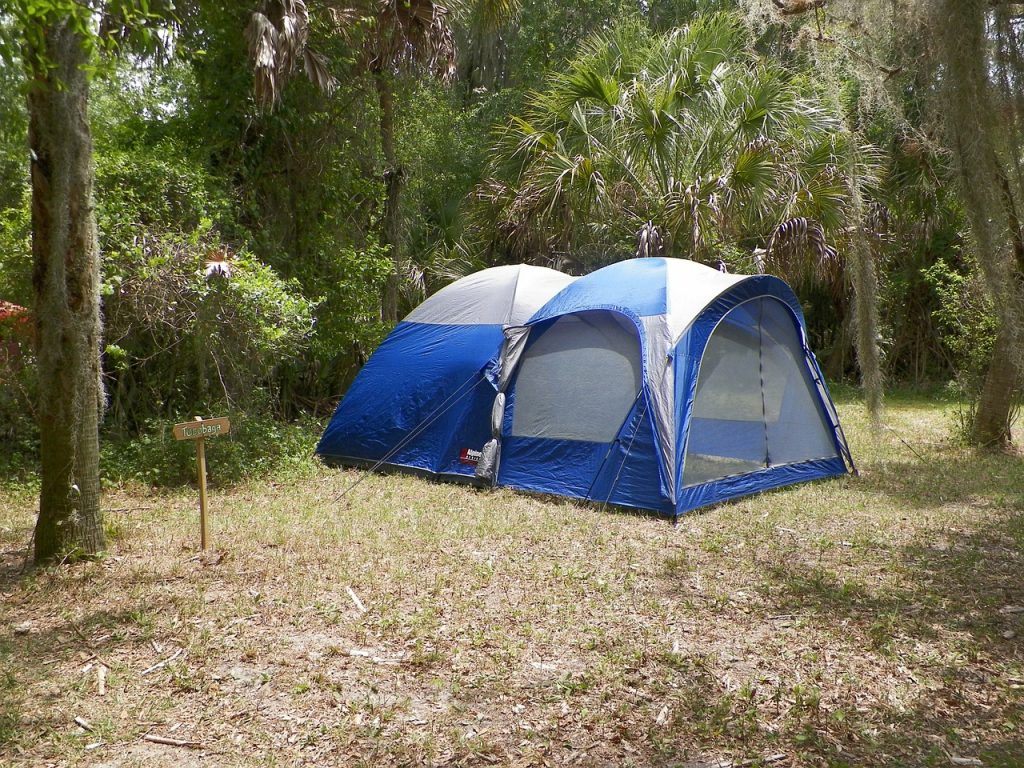
Choosing the right location when camping can make the difference between a peaceful outdoor experience and a stressful one. A good campsite should be flat, dry, and sheltered from strong winds. Look for natural windbreaks like trees or rock formations, but avoid camping directly under dead branches that could fall. It’s also important to consider how close you are to trails, water sources, and other campers. A well-chosen location not only improves comfort but also increases safety and minimizes your environmental impact.
Camping in the wrong location can lead to several problems. Setting up in a low-lying area may seem convenient, but it can quickly become flooded during rain. Camping too close to animal trails or food sources can attract wildlife, creating dangerous encounters. Areas exposed to strong winds can damage tents, while rocky or uneven ground can make sleeping uncomfortable and even cause minor injuries. Poor location choices can also increase your exposure to insects and harsh weather conditions. Connect with wholesale camping gear dropshippers and standard wholesale distributors through CampingDropship.Com

Whether you should camp near a creek depends on balance and caution. Being close to water is convenient for cooking, cleaning, and drinking (with proper filtration), and the sound of running water can be relaxing. However, camping too close especially within a few feet can be risky. Creeks can rise quickly after heavy rain, even if the rain falls miles upstream. Water sources also attract wildlife and insects. A good rule of thumb is to camp at least 200 feet away from water to reduce environmental impact and improve safety.

Bugs are another important consideration when choosing a campsite. Mosquitoes and other insects thrive near standing or slow-moving water, especially at dusk and dawn. To keep bugs away, choose a breezy spot, as insects struggle in moving air. Avoid areas with thick brush, tall grass, or stagnant water nearby. Wearing long sleeves, using insect repellent with DEET or picaridin, and keeping your tent zipped at all times will also help reduce unwanted visitors.
Connect with wholesale camping gear dropshippers and standard wholesale distributors through CampingDropship.Com
Ultimately, a successful camping trip starts with careful observation and planning. Take a few extra minutes to survey the area before pitching your tent. Check the weather forecast, look for signs of wildlife activity, and assess drainage patterns. By thoughtfully selecting your campsite, maintaining a respectful distance from water sources, and taking steps to manage insects, you can create a safer, more comfortable outdoor experience.