

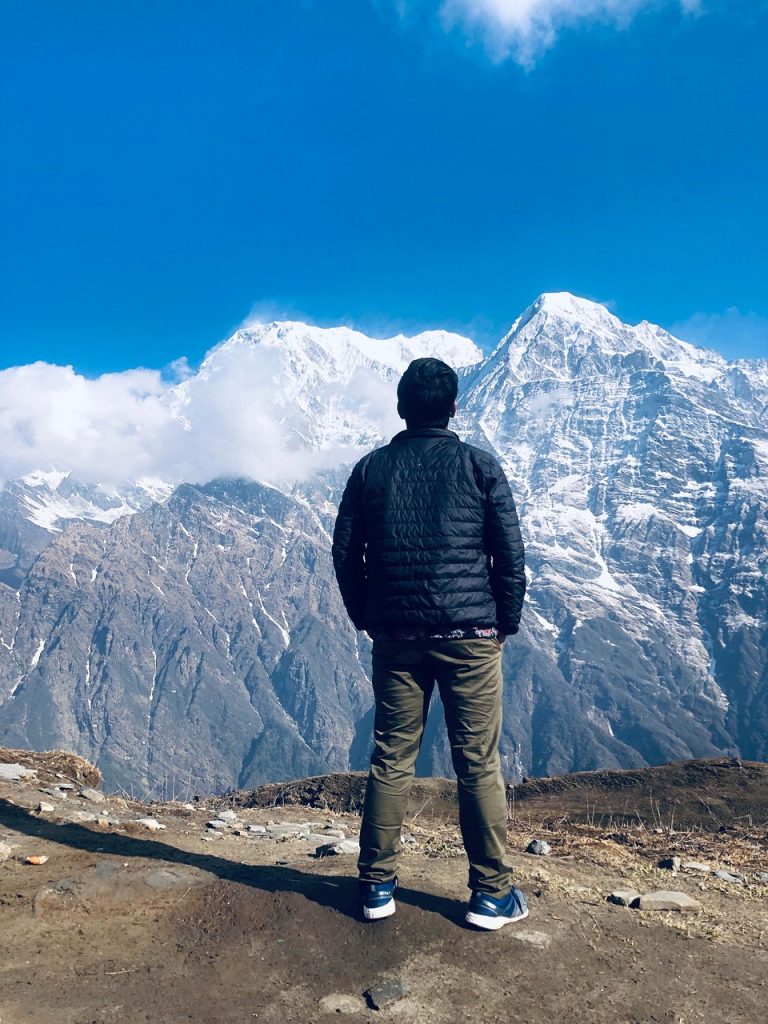
Hiking is one of the most accessible and rewarding outdoor activities, blending physical exercise with immersion in nature. Whether trekking through dense forests, climbing mountain trails, or strolling along coastal paths, hikers experience both mental clarity and physical challenge. As the popularity of hiking continues to grow, so does the market for gear and products designed to enhance safety, comfort, and performance on the trail.
One of the most popular categories of hiking products is footwear. Hiking boots and trail shoes are specifically engineered to provide traction, ankle support, and durability across uneven terrain. Waterproof materials and breathable fabrics are especially valued, as they help regulate temperature and keep feet dry in varying conditions. Choosing the right footwear can prevent injuries like blisters or sprains, making it one of the most critical investments for any hiker.
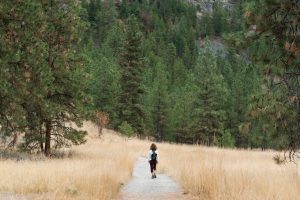
Backpacks are another essential product, serving as the central storage system for all gear. Daypacks are lightweight and compact for shorter hikes, while larger backpacks are designed for multi-day trips and can carry tents, food, and sleeping gear. Features like padded straps, hydration compatibility, and multiple compartments make backpacks more functional and comfortable, allowing hikers to distribute weight efficiently.
Hydration systems are crucial, and many hikers rely on reusable water bottles or hydration bladders. Staying hydrated helps regulate body temperature, maintain energy levels, and prevent fatigue or heat-related illnesses. Some hikers also carry portable water filters or purification tablets, especially when hiking in remote areas where clean water sources may not be readily available.
Navigation tools remain highly important, even in the age of smartphones. Traditional maps and compasses are reliable and don’t depend on battery life, while GPS devices and hiking apps provide real-time tracking and route guidance. Carrying backup navigation tools ensures hikers can stay on course and avoid getting lost, particularly in unfamiliar or poorly marked trails.
Clothing designed for hiking focuses on layering and moisture management. Base layers wick sweat away from the skin, insulating layers retain body heat, and outer shells protect against wind and rain. Materials like merino wool and synthetic blends are popular because they balance comfort, durability, and performance across different weather conditions.
Safety and emergency gear are also widely recommended. Items like first aid kits, headlamps, multi-tools, and emergency blankets can make a significant difference in unexpected situations. Even on short hikes, carrying basic safety equipment prepares hikers for injuries, sudden weather changes, or delays that extend beyond daylight hours.

Food and nutrition products are tailored for convenience and energy. Trail mix, energy bars, jerky, and dehydrated meals are popular choices because they are lightweight, non-perishable, and calorie-dense. Proper nutrition helps sustain endurance, maintain focus, and support muscle recovery during and after the hike.
Trekking poles have become increasingly popular among hikers of all skill levels. They provide stability on uneven terrain, reduce strain on knees and joints, and improve balance when carrying heavy loads. Adjustable and collapsible designs make them easy to transport when not in use.
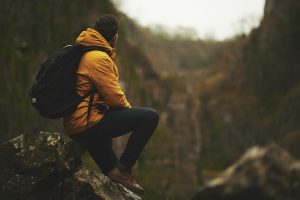
Ultimately, what a hiker should carry depends on the length, difficulty, and environment of the hike. However, the core principle remains the same: preparation enhances both safety and enjoyment. By choosing the right products and packing thoughtfully, hikers can fully appreciate the experience while minimizing risks and discomfort on the trail.


1 Person Comfort Survival Kit

1 Person Comfort Survival Kit


Emergency | Survival Kits

Emergency | Survival Kits
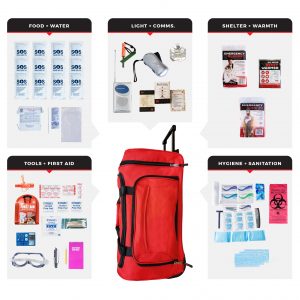
1 Person Essential Survival Kit

Emergency | Survival Kits
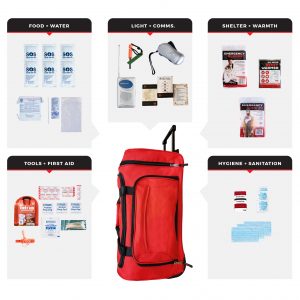

1 Person Necessity Survival Kit


Bucket Style Kits

Bucket Style Kits


